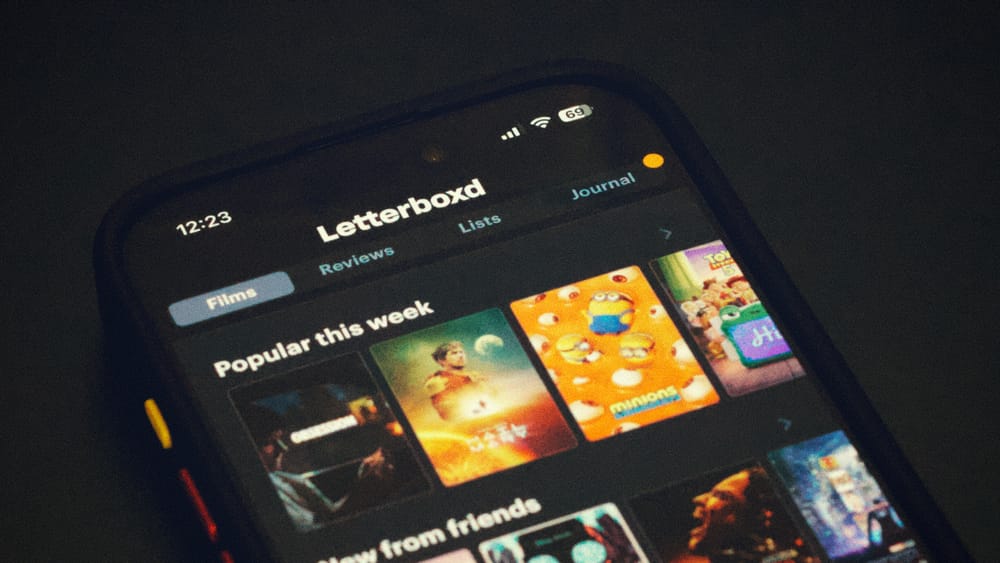
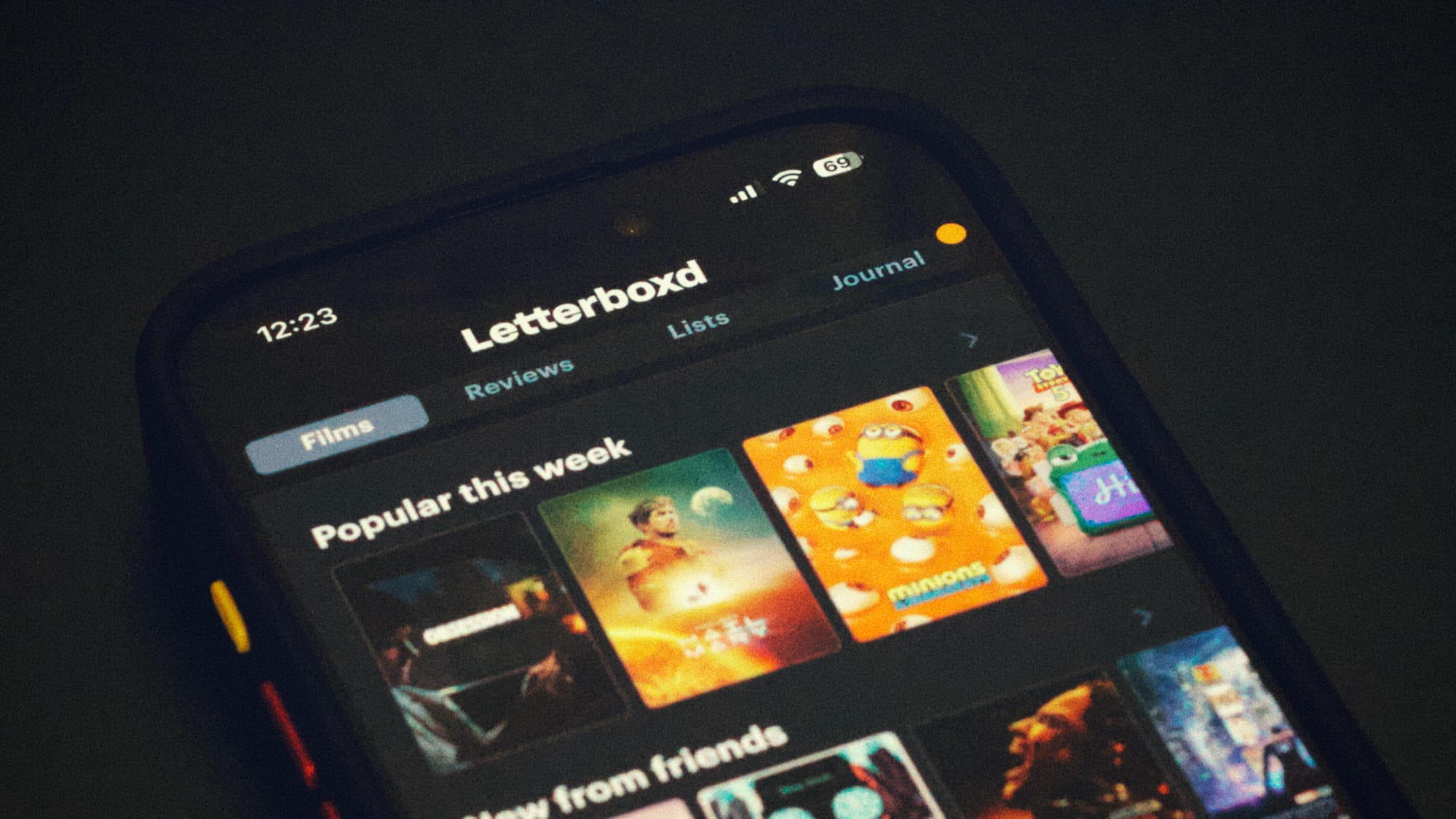
Letterboxd: It’s happening again.
Why do we do this to ourselves? This week’s revelation that Netflix, Paramount and others are considering picking up Letterboxd was another reminder that we can’t rely on private companies to look after an online community’s interests. This is especially so once a company takes on external investment or ownership, just like Letterboxd did from Tiny in 2023. That’s the point at which the clock started for Letterboxd to either become profitable or be sold. Tiny is reportedly asking for around $250m, up from the $50m valuation when they bought their 60% stake.
The field is wider than the two names in the headlines. Netflix, Sony and Paramount Skydance are circling, along with the private equity firms TPG and RedBird, and Reddit co-founder Alexis Ohanian. Any of them would be bad in their own way. But the studios are the ones worth dwelling on, because they’re the only buyers whose ownership would change what Letterboxd is, rather than just how well it’s maintained.
What’s in it for a company like Netflix?
Netflix provides a service, but it has no community or culture. It’s not easy for a corporation to build, so the easy option is to buy one. They want credibility. A gentle way to communicate to young film fans that Netflix is pretty cool and relevant, actually.
The next benefit is the data. All that juicy information that signals what users watch, and how they feel about it. Netflix’s own recommendation engine is dated and their hope is a deal like this would give them turbo powers. Letterboxd could add taste to their raw viewing data.
So what’s the problem?
The problem is this almost never works. The minute a takeover happens, there is an instant stink of corporate that never goes away. Everyone will feel it, if only a little bit.
When Amazon bought Goodreads in 2013, they pledged to do no harm, then let it rot. It’s been left with outdated infrastructure that nobody will fix, review bombing is left unmoderated, and there have been no meaningful features in a decade. Ex employees told the Washington Post that Amazon was happy to mine Goodreads for user data and let it limp along on limited resources. I suspect the same would be the case at Letterboxd.
People will always have a raised eyebrow about community ratings of Netflix content. It would no longer be on neutral ground. On top of that, users tend to feel icky about continuing to build a community around a corporation and may either share less or share elsewhere.
The community is also likely to be hypercritical of changes that are made at Letterboxd in the future. This would leave Netflix to make a choice between ignoring what users want or leaving the platform to slowly drift out of date. Neither is a good outcome.
What’s next?
It’s the big question, but don’t panic. The current team at Letterboxd reportedly have veto rights over any buyer. This might give them leverage over what a new buyer will do with the platform. Letterboxd is likely to be around for at least long enough for another option to present itself. But, whatever comes next, we have to promise ourselves that we’re not going to do this again. Every one of us made Letterboxd what it is. Every list and every four-star review written at midnight for an audience of seven folk. Every Last For Watched posted elsewhere on social media. The thing Netflix et al wants to buy is us.
Goodreads readers didn’t wait to be rescued. They left, and StoryGraph grew into the space they vacated. It’s smaller, scrappier and nobody’s asset. Not a better owner. No owner. If we rebuild Letterboxd, we build it on an open protocol: community owned, community run, open source, impossible to sell out from under us.
We built this place once already. We just built it on someone else’s land. Going forward we can keep paying rent, or we can own the place. It’s our choice.